TOKAT
 History
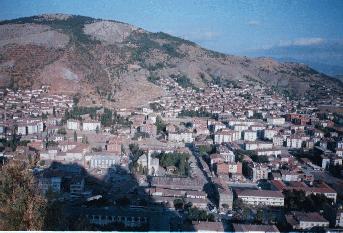
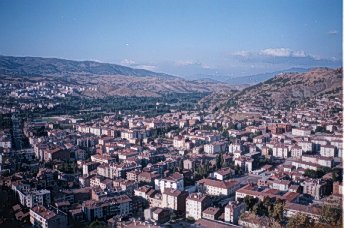
Tokat, situated in the Yesilýrmak basin, which witnessed the sovereignty of 14 states and many principalities since 3000 B.C., occupies a central position in fertile areas comprising wide and watery valleys and passageways inbetween, the whole being separated by mountain ranges from the narrow and damp Black Sea Coast and Central Anatolia's wide and arid expenses. The feudalist order following the Calcholitic and Bronze Ages, which started with the foundation of many cities bound to the eastern federations of the Great Hittite State in the valleys along the branches of the Yesilýrmak. The Turkish-Islamic culture and art which came from Transoxiana as well as the political supremacy of the Danishmend and Seljuk Turks in the II th century, spread in westernly direction from Central and Eastern Anatolia and terminated the 700 years old Byzantine civilization. In Tokat you come face to face with cultural, architectural and public works of the civilization created by the Seljuks, a civilization the essence of which is beauty and patience. Tokat entered Ottoman dominion toward the end of the 14 th century, became one of the agricultural and industrial centers of the region in the period of rise of the Ottomans.
Climate
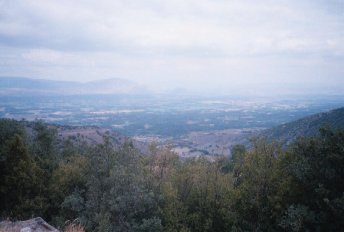
Tokat's climate represents a transition between the Central Black Sea and the Inner Anatolia climates. Winter in the valleys is rainy and temperate. The climate is somewhat harsher at high altitude levels and in the southern sections of the province.
Climatological
statistics for AUGUST
Field
work at Tokat
Ballica
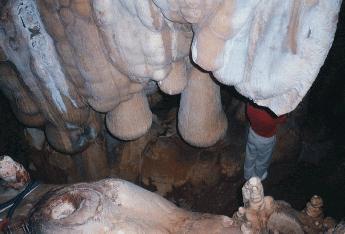
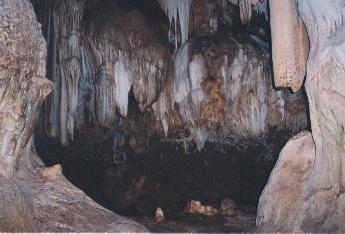
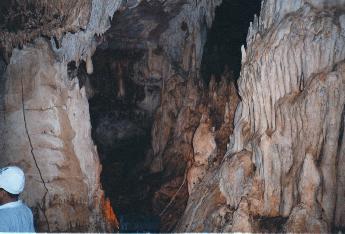
Cave near Tokat